The pastime of tossing bean bags at a slanted board has evolved into a full‑blown professional sport, spawning national broadcasts, six‑figure prize funds and a small manufacturing boom in the American South.
From hobby to full‑time business
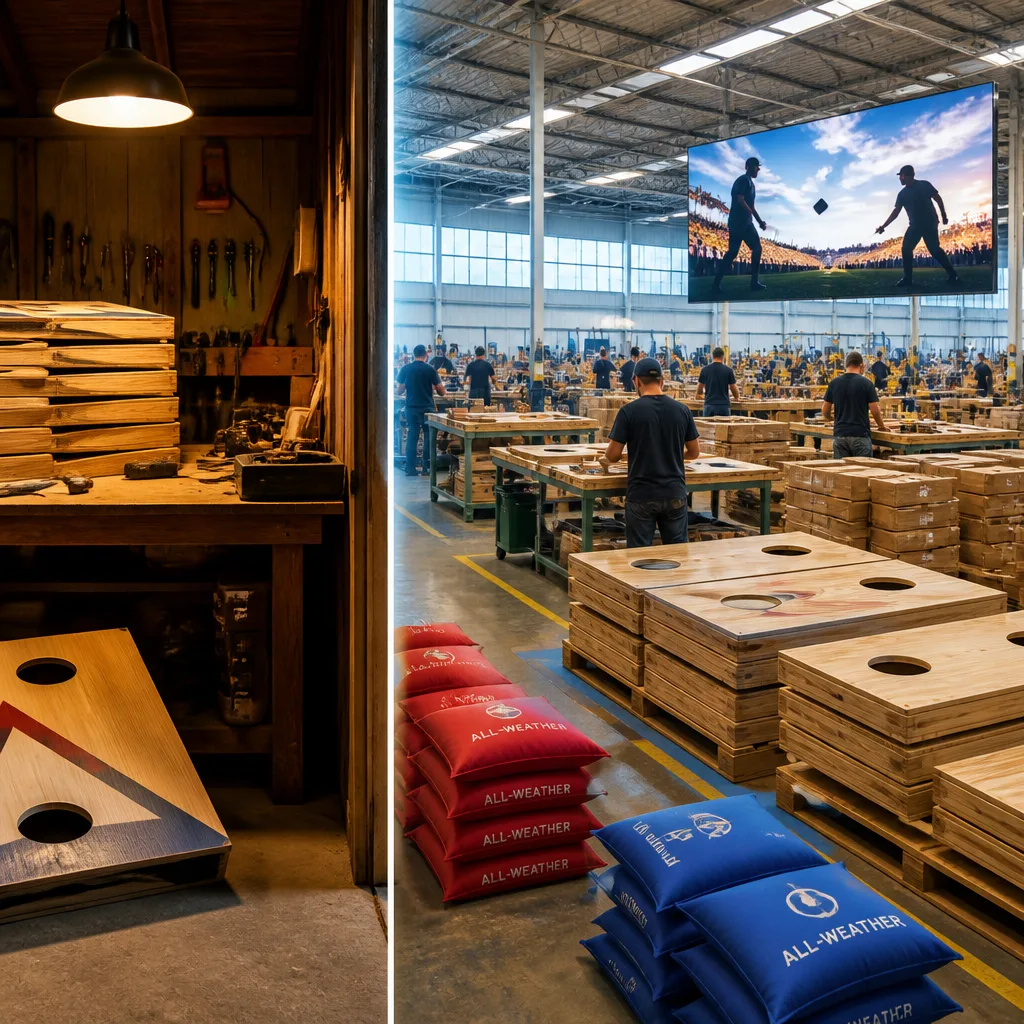
Brandon Greba started making cornhole boards as a weekend project while working for an industrial supplier. What began as a workshop activity — built around evenings and weekends — has grown into West Georgia Cornhole and its sister brand Titan Bags, producing equipment for a game that has graduated from tailgate staple to televised competition.
"I was working for Fastenal, an industrial supply company, and was making boards in my garage from Thursday afternoon until Sunday evening," said Greba.
Greba moved production out of his garage after demand escalated following the launch of a website that opened his market nationally. He describes a period of hesitation before committing to entrepreneurship — turning down orders because he could not meet demand — but ultimately choosing to scale up.
Production and scale
Today the operation is based in Villa Rica, Georgia, just west of Atlanta, where Greba and his team work from a 38,000 square‑foot facility. The company has grown to employ 30 people and manufactures both the boards — the wooden landing surfaces central to play — and the cloth bags players throw.
The story of West Georgia Cornhole is illustrative of how an apparently niche sporting activity can create supply‑chain demand for durable goods, much like established recreational industries such as tennis or bowling. Manufacturers of cornhole equipment are now supplying players at every level, from casual backyard users to participants in high‑stakes tournaments.
Professionalisation of a backyard game
Cornhole has a long history — reportedly more than a century and a half old — but it was not until the late 20th century that it became widely popular among adults. The sport has undergone accelerated professionalisation in recent years. The American Cornhole League (ACL) has secured broadcast slots on major networks, including ESPN and CBS, signalling mainstream sports‑media interest in competitive cornhole.
Financially, the league has put significant sums on the table. This season the ACL has offered a combined purse totalling in excess of $800,000, a figure that underlines the seriousness of the circuit and provides incentives for players to pursue the game more competitively.
- Origin: hobby in a garage, turned business by expanding online sales
- Base: Villa Rica, Georgia — 38,000 sq ft factory
- Workforce: 30 employees
- Sporting context: ACL on ESPN and CBS; >$800,000 in annual purses
Industry implications and context
The rise of cornhole as a televised, prize‑bearing sport creates fresh demand for specialised products and provides opportunities for manufacturers to professionalise their operations. For a small company such as West Georgia Cornhole, that has meant moving from ad hoc weekend production to an industrialised output capable of fulfilling nationwide orders.
That transition mirrors broader trends in recreational industries where grassroots participation can translate into commercial supply chains once a sport achieves visibility on major media platforms. The result is a multiplier effect: more televised competition drives interest, which increases equipment sales, which in turn supports local jobs and manufacturing capacity.
While the sport’s growth may surprise those who still associate cornhole with barbecues and pre‑game tailgates, the numbers and infrastructure tell a different story. With national broadcasting and sizeable prize pools, cornhole now sits among sports that sustain dedicated manufacturers and professional athletes.
| Metric | Value |
|---|---|
| Facility size | 38,000 sq ft |
| Employees | 30 |
| ACL season purse | More than $800,000 |
| Company founding | 2013 |
For entrepreneurs like Greba, the game’s professional wave has created a viable manufacturing career that began in a garage and now occupies thousands of square feet of factory space. Whether cornhole will continue its ascent into the broader sporting economy will depend on sustained media exposure, tournament growth and consumer demand for equipment — but for now the sector has already delivered jobs and a national footprint for a once‑hobbyist maker.