Studies of communities where unusually large numbers of people reach 100 highlight a pattern: longevity often emerges from ordinary daily practices rather than dramatic interventions. Researchers studying these so-called Blue Zones — regions where centenarians are concentrated — say the secret is less a single miracle habit and more a set of steady, repeatable behaviours that support physical and mental wellbeing.
Where longevity clusters
The Blue Zones concept identifies five areas with notably high percentages of people living to 100: Ikaria (Greece), Okinawa (Japan), Loma Linda (California), Nicoya Peninsula (Costa Rica) and Sardinia (Italy). Researchers caution that genetic factors play a role in who reaches advanced age, but they also emphasise how daily life — diet, movement, social life and purpose — contributes to those outcomes.
| Blue Zone | Country/Region |
|---|---|
| Ikaria | Greece |
| Okinawa | Japan |
| Loma Linda | United States (California) |
| Nicoya Peninsula | Costa Rica |
| Sardinia | Italy |
Five everyday practices to consider
Experts who have studied centenarians and those living in Blue Zones distil a handful of habits that recur across these regions. They are practical, often low-cost and can be incorporated into many lifestyles.
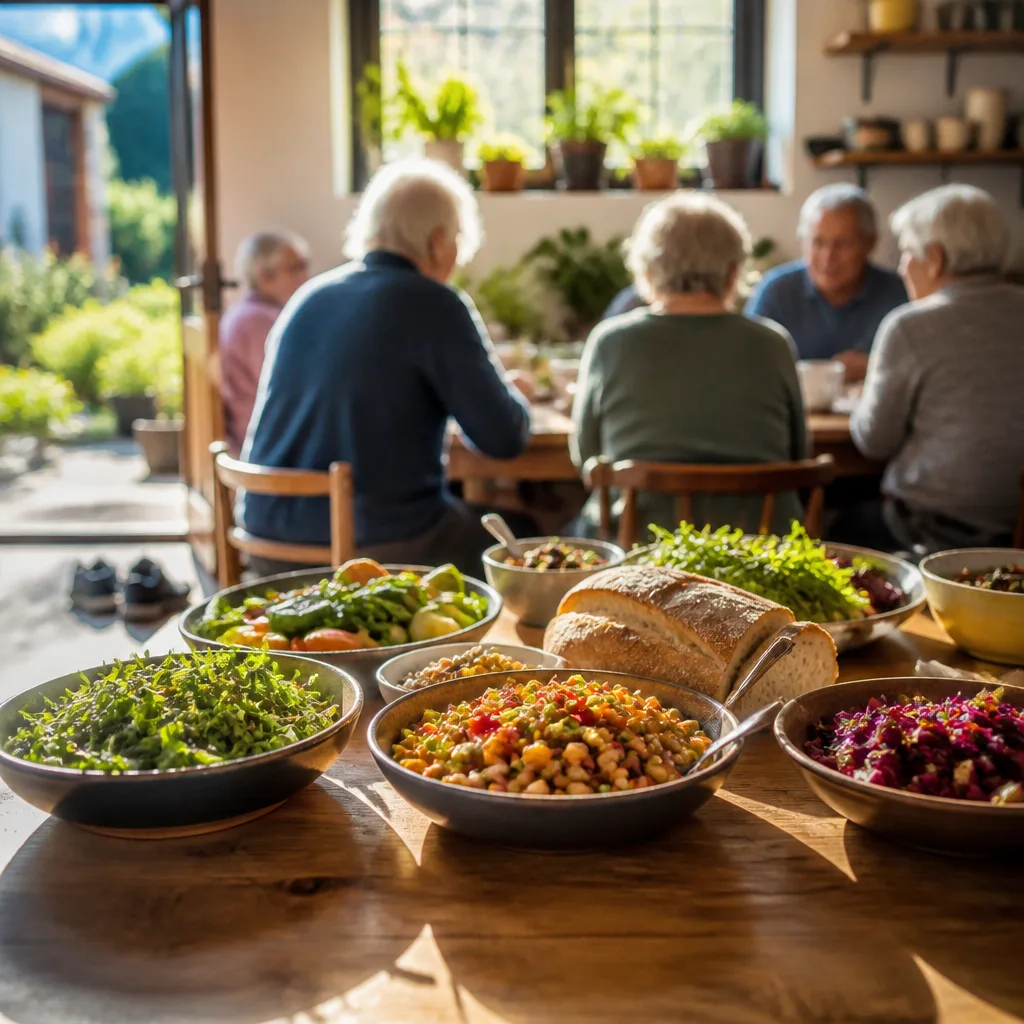
- Prioritise social bonds: Strong, long-lasting friendships and daily interactions appear repeatedly in longevity studies. Regular communal gatherings and sustained relationships are linked with lower stress and improved mental health.
- Stay physically active through routine tasks: Rather than formal gym sessions, many centenarians remain active through gardening, walking and household chores — movement woven into everyday life.
- Keep purposeful routines: Having activities that confer a sense of meaning — from caring for family to community roles — is a recurring theme among those who live longest.
- Adopt a largely plant-based diet: While diets vary by region, a high intake of vegetables, legumes and whole foods is common across Blue Zones.
- Maintain stress-reduction rituals: Daily practices that lower stress, whether through socialising, spirituality or relaxing pastimes, are frequent and consistent.
“It is how ordinary, well-designed lives quietly add up to extraordinary longevity.”
The line above, from a leading Blue Zones authority, underlines the central message: longevity tends to be cumulative, the result of many small choices made repeatedly over decades rather than isolated biohacks.
Why community and purpose matter
Social integration gets particular emphasis. In some regions, friendship groups formed in childhood remain intact well into later life, offering regular emotional support and shared activities. Medical voices point to evidence linking loneliness with poorer health outcomes — in some analyses, its effect on longevity is comparable with recognised physical risk factors.
Physical activities tied to purpose — such as tending a plot of land or preparing communal meals — combine movement with social connection and daily structure. Gardening is frequently highlighted not only for its cardiovascular benefits but also for its capacity to sustain mood and a sense of usefulness.
Putting these insights into practice
For readers wanting to incorporate Blue Zones thinking into their lives, the emphasis is on adaptation rather than imitation: translate the principles into your context. That might mean joining a local group for regular social activity, choosing more plant-forward meals, or ensuring daily movement is part of your routine.
Health experts stress that no single habit guarantees reaching 100. Still, adopting several of these patterns can improve overall wellbeing and may contribute to longer, healthier lives.