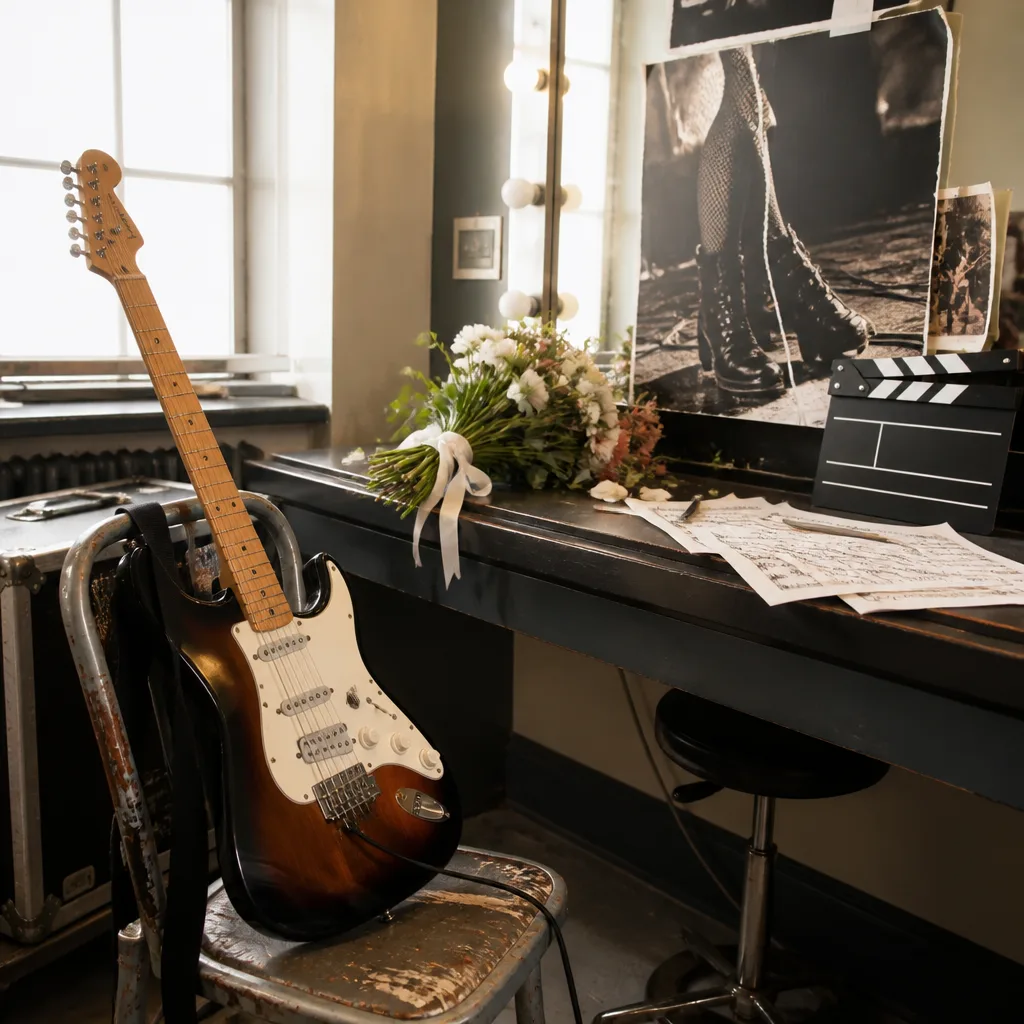
Charli XCX has returned to the studio and released a new collection of songs called Music, Fashion, Film, a compact set of guitar-led tracks that respond to a frenetic two years of touring, acting and personal change.
From Brat to a new creative impulse
Her previous record, Brat, established a distinct musical identity for the artist, with tracks such as Guess, Apple and 360 attracting wide attention. That era propelled her profile — the music even featured in Kamala Harris's 2024 presidential campaign, and Collins English Dictionary amended its entry for brat to reflect the adjective's use in describing the music's confident and hedonistic character.
After a year-long tour and a period in which she took on acting roles and wrote the soundtrack for Emerald Fennel's adaptation of Wuthering Heights, the singer married her long-term partner, George Daniel. Rather than stepping back, she found herself compelled to write again.
"Out of the blue, inspiration struck me," she says. "I suddenly felt like I had something to say, so I ran with it."
What the new record sounds like
The songs on Music, Fashion, Film were written quickly: 11 short pieces built around guitar riffs rather than the computer-based construction often associated with her earlier pop work. The result is deliberate in its refusal to be a straightforward follow-up to Brat; the new material is described as smart, self-referential, humorous and antagonistic, deliberately avoiding being a mere extension of the previous project.
In conversation with Vogue, Charli played a track titled Rock Music, which includes the line: "I think the dancefloor is dead, so now we're making rock music". That snippet prompted immediate reaction — while Vogue framed the record as a rock reinvention, fans and peers offered mixed responses.
- Courtney Love criticised the move as trolling.
- Madonna reacted on social media to the claim that the dancefloor was dead.
- Listeners and critics are parsing whether the album constitutes a rock shift or a subtler guitar-driven detour.
Context and consequences
The new album arrives at a moment when Charli XCX's output crosses several cultural spheres: pop music, film soundtracks and public visibility through marriage and high-profile touring. That mixture of achievements and experiences appears to have fed into material that is at once diaristic and performance-minded.
Few contemporary pop releases are as explicitly reflexive about their own image and industry positioning. By foregrounding guitar riffs while steering away from a repeat of Brat's dance-leaning sound, Charli seems intent on avoiding artistic stagnation: as she put it in a fan newsletter, to be boring would be to "die right there on the spot". The record's tone — described in early coverage as funny and antagonistic — suggests she is staking out fresh territory rather than reaffirming past successes.
This shift will be watched closely by fans and commentators interested in how artists pivot after commercial and critical breakthroughs. The debate around whether the record is a rock reinvention or something more nuanced illuminates ongoing questions about genre boundaries in pop music and how singers translate stage and soundtrack experience into studio records.
| Work | Notable elements |
|---|---|
| Brat | Era-defining pop tracks: Guess, Apple, 360; wide cultural impact |
| Soundtrack | Wrote soundtrack for Emerald Fennel's Wuthering Heights adaptation |
| Music, Fashion, Film | 11 short, guitar-based songs; self-referential and antagonistic tone |
Whatever conclusions listeners reach about its genre, Music, Fashion, Film underlines Charli XCX's restless approach to creativity: she moves quickly from theatre to recording booth to screen, and now back to the studio with material that raises questions about identity, influence and the lifecycle of a pop era.
For fans and critics alike, the record offers another chapter in an artist who refuses to be easily categorised.