Human Rights Watch, Amnesty International and the Lebanese rights group Legal Agenda said on Thursday that an Israeli strike on 22 April that killed veteran Lebanese reporter Amal Khalil and critically wounded photojournalist Zeinab (Zainab) Faraj in southern Lebanon should be investigated as a war crime.
Allegations of deliberate targeting and obstruction of rescue
The three organisations published the findings of separate investigations into an incident in al‑Tiri, southern Lebanon, where the two journalists were sheltering after abandoning their vehicle following earlier strikes. The reports conclude that Israeli forces deliberately and directly attacked the women with knowledge or with circumstances in which they should have known the victims were civilians.
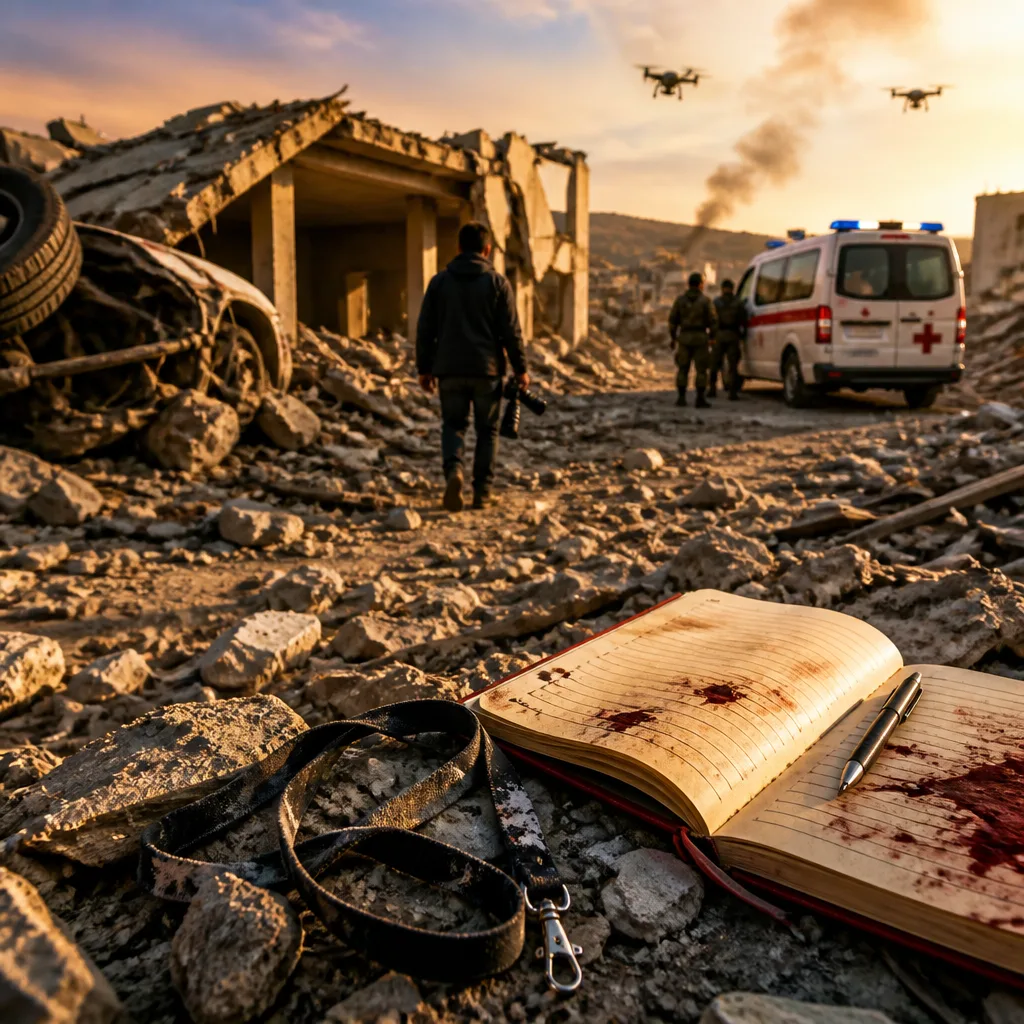
Investigators allege that quadcopters were tracking the journalists as they sheltered and that a subsequent strike hit the building where they were taking cover. According to the reports, Israeli forces then delayed Lebanese Red Cross personnel from reaching the scene for hours, at one point firing on ambulances and employing stun grenades against rescue workers. Medical records cited in the reports indicate Khalil may have remained alive for some hours after the building collapse, raising concern that the delay in rescue contributed to her death.
“The evidence is clear that the Israeli military knew, or should have, that Faraj and Khalil were civilians, but attacked them anyway, and then prevented paramedics from rescuing them for hours,”
The quote above is from Ramzi Kaiss, Human Rights Watch’s Lebanon researcher, cited in the organisations’ public statements.
Calls for accountability and consequences
HRW and Amnesty urged that the incident be investigated as a war crime. Human Rights Watch additionally called on states to halt arms sales to Israel and to consider targeted sanctions against Israeli officials alleged to be responsible for ongoing violations. The Legal Agenda described the military actions as constituting war crimes and grave violations of international humanitarian law.
Israel issued a statement expressing regret for harm to journalists but maintained that the deaths occurred “as part of a series of events” during which two individuals it described as Hezbollah operatives were killed. The organisations’ reports note there was roughly a two‑hour interval between an initial strike that hit the two men Israel said were members of Hezbollah and a subsequent strike that destroyed the structure sheltering the journalists.
Context: journalists and casualties in the conflict
The reports come amid wider international concern about the safety of journalists in the Israel‑Gaza and Israel‑Lebanon theatres. The UN human rights office has recorded that since 2023 Israel has killed at least 15 journalists in Lebanon and 210 journalists in Gaza, a figure cited by the rights groups to underline patterns of harm to media workers covering the fighting.
- Victims named: Amal Khalil (42), journalist for al‑Akhbar; Zainab (Zeinab) Faraj (21), freelance camerawoman and photojournalist.
- Location: al‑Tiri, southern Lebanon.
- Allegations: deliberate targeting of civilians, tracking by quadcopter drones, obstruction and attacks on rescue teams, delayed ambulance access.
| Individual | Age | Role | Outcome |
|---|---|---|---|
| Amal Khalil | 42 | Reporter (al‑Akhbar) | Killed |
| Zeinab (Zainab) Faraj | 21 | Freelance camerawoman/photojournalist | Critically injured |
The findings have been forwarded to calls for formal criminal inquiries and for states supplying arms to Israel to pause sales pending accountability measures. Rights groups say the incident is emblematic of broader concerns over the protection of civilians and of journalists specifically in areas of active hostilities.
Israel’s comments acknowledging harm but framing the incident within broader combat operations will be weighed against the detailed investigative material released by the three rights organisations, which cite witness testimony, hospital records and analysis of the strikes.
How states and international bodies respond — whether through investigations, restrictions on military assistance, or other measures — will be an immediate test of efforts to enforce international humanitarian law where journalists and other civilians are at risk.