Jamie Campbell Bower has revealed the one aspect of his Stranger Things villain Vecna that he wanted altered between seasons — and it was all about the feet.
Small details, big impact
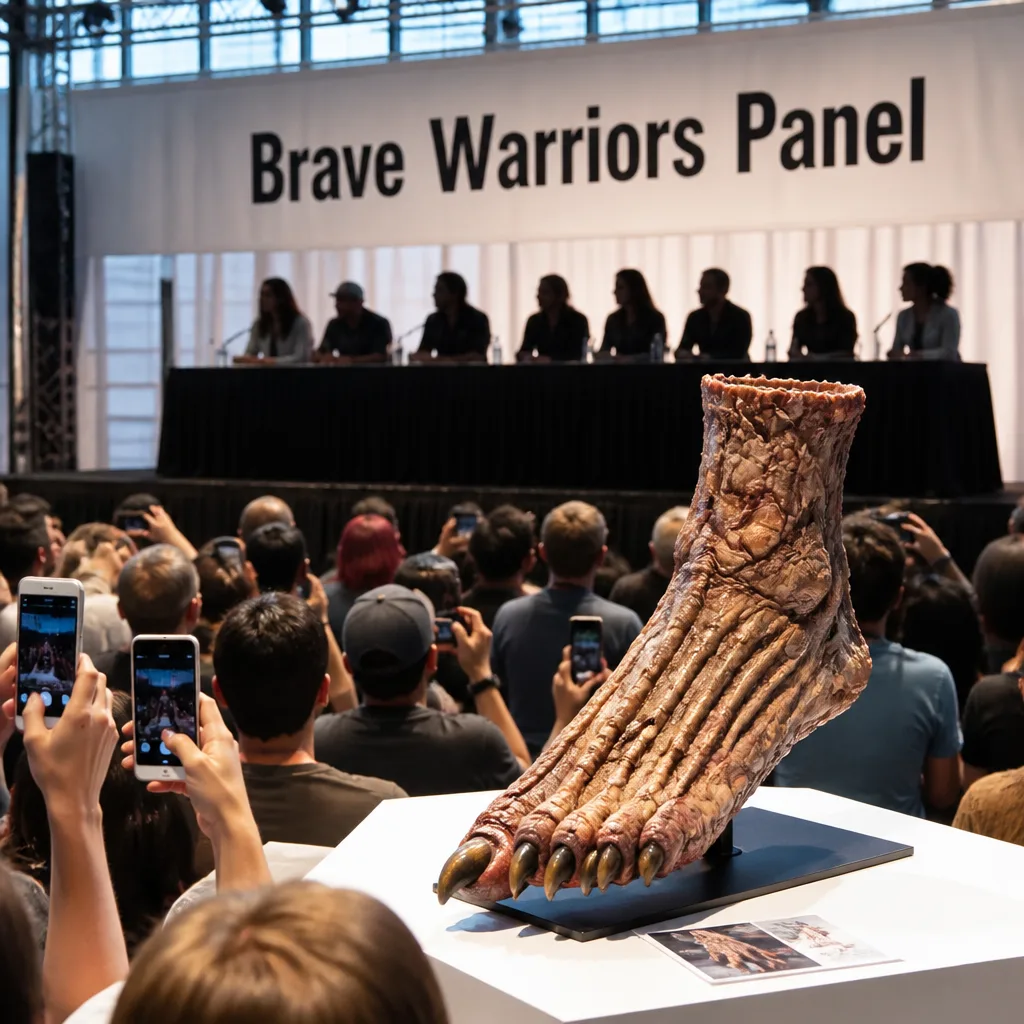
Speaking at Entertainment Weekly’s Brave Warriors panel at San Diego Comic‑Con, where he appeared alongside colleagues from The Lord of the Rings: The Rings of Power and other genre projects, Bower explained that footwear and foot prosthetics affect more than appearance; they shape movement and the actor’s relationship to a role.
“Shoes are a big thing because they do affect the way that you walk,” he said, describing how he had discussed potential tweaks to Vecna’s design with prosthetics designer Barrie Gower after series four. He added that, in his mind, making the feet “more tactile” would help inform the performance.
“If there’s one thing you can change, what would it be? And I’d be like, the feet, I’d make them more tactile.”
Despite that request, Bower revealed that by the time the show reached its fifth season the team had taken a different route: even the toes were rendered digitally. “Of course, we get to season 5, and even my toes are CG,” he said — a practical concession that nevertheless underlined his point about how physical details feed into physical acting.
Performance through prosthetics
The anecdote came amid a panel that leaned into the physicality of genre acting. Bower’s remarks sat alongside observations from other panelists about non‑verbal tools and props, reinforcing that seemingly small design choices can have substantial consequences for how a character is realised on screen.
For Bower, the discussion was timely. He is due to lead in season 3 of The Rings of Power, and his experience with heavy prosthetics in Stranger Things has clearly informed how he thinks about crafting a role in tandem with make‑up and visual effects teams.
- Actor: Jamie Campbell Bower
- Role discussed: Vecna (Stranger Things)
- Production note: toes and some foot elements were computer‑generated by season 5
- Other project mentioned: The Lord of the Rings: The Rings of Power (season 3)
The exchange is a reminder of the negotiation between practical craft and digital augmentation that characterises modern high‑end television. Prosthetics artists and visual effects teams both play decisive parts in how fantastical figures are brought to life, but actors still pay close attention to tactile elements that shape posture, gait and subtle body language.
Why it matters
Beyond a neat behind‑the‑scenes anecdote, Bower’s comments open a window onto a broader creative tension in contemporary TV and film production: when do you favour practical solutions that permit an actor to inhabit a body physically, and when do you choose CG fixes that offer visual precision but may remove a sense of texture for a performer?
For viewers, the change is often invisible — but for actors like Bower the difference can be fundamental. A shoe, a prosthetic toe or a textured foot can give an actor something to self‑cue from, altering pace and gesture in ways that inform every close‑up and long shot. Bower’s frankness about even wanting “tactile” feet is an entertaining but revealing detail about the craft behind some of TV’s biggest supernatural moments.
He wasn't the only panelist to share such insights: the discussion ranged across non‑verbal acting devices and small props used to communicate character without words, reflecting the collaborative problem solving that sits behind genre performance.
| Element | Impact |
|---|---|
| Footwear/prosthetics | Affects gait and physicality; can provide tactile cues for actors |
| CG augmentation | Offers visual control but may reduce tactile feedback for performers |
Whatever the choice, the end result is a shared one: make‑up, costumes, props and visual effects together create the monsters and magnates audiences love to watch. In Bower’s case, even if the toes became digital, the actor’s attention to how small physical traits influence a performance makes clear why such details matter behind the curtain.