Strain on local services as numbers rise
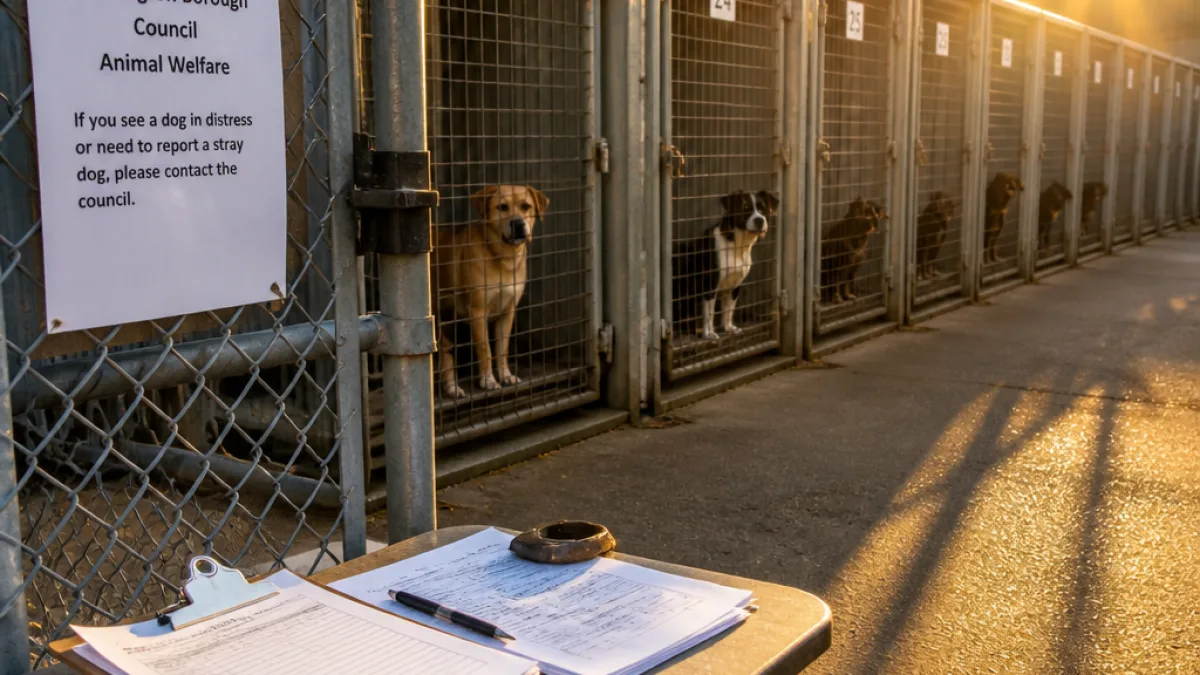
Warrington is facing a growing challenge from an increase in stray dogs, longer periods in kennels and falling reclaim rates, according to figures obtained under a Freedom of Information request. The data show that stray dog intake has more than tripled in four years, rising from 31 in 2021 to 95 in 2025, while the proportion of animals reclaimed by owners has fallen to around one in six.
The trend has had knock-on effects for how long animals spend in council care and for the authority's finances. The average length of stay in kennels rose from three days in 2021 to 11 days in 2025. Yet over the same period the council's annual spend on kennelling fell from £12,000 to £8,784, suggesting changes in procurement or the cost-per-dog being borne by the authority.
Impact on animal welfare and public safety
The figures also show a rise in the number of dogs euthanised, from none in 2021 and 2022 to five in 2025. Additionally, there has been an increase in dogs suspected of being prohibited types under the Dangerous Dogs Act—none recorded in 2021 and 2022 compared with four in 2025. The council said recent changes in legislation covering XL bully-type dogs and other prohibited breeds have created extra challenges for local authorities.
- Stray dog intake: 31 (2021) → 95 (2025)
- Average kennel stay: 3 days (2021) → 11 days (2025)
- Dogs reclaimed: 15 in 2025 (~one in six)
- Dogs euthanised: 0 (2021–22) → 5 (2025)
- Prohibited-type dogs suspected: 0 (2021–22) → 4 (2025)
- Kennelling spend: £12,000 (2021) → £8,784 (2025)
| Measure | 2021 | 2025 |
|---|---|---|
| Stray dog intake | 31 | 95 |
| Average kennel stay (days) | 3 | 11 |
| Dogs euthanised | 0 | 5 |
| Suspected prohibited types | 0 | 4 |
| Kennelling spend (£) | 12,000 | 8,784 |
Council response and context
A spokesman for Warrington Borough Council said decisions to euthandise an animal were taken only after legal and welfare considerations had been assessed, and asked that the rise in euthanasia figures be seen in the context of wider pressures. The council highlighted the impact of new legislation on XL bully-type dogs and other prohibited breeds as a factor complicating the management of some cases.
"never taken lightly"
The council also suggested the increase in stray numbers is part of a national pattern seen by other local authorities and animal welfare organisations. It pointed to a mix of possible contributing factors, including the effect of the Covid pandemic on dog ownership patterns.
What the figures mean for Warrington residents
For residents, the rise in stray dogs can mean more animals encountered in public spaces as services work through larger caseloads, and potential delays before animals are reclaimed by owners. Longer kennel stays place additional demands on limited resources and may reduce capacity to respond quickly to new reports. The decline in direct kennelling expenditure, despite higher volumes, suggests the council is managing costs differently—but it also raises questions about whether reduced spending is sustainable given the rising need.
Local charities and animal welfare groups often play a key role in rehoming and supporting councils, but the data released to NEXO RADAR indicate that statutory services in Warrington are absorbing increased pressure. As the council evaluates how best to respond, residents concerned about lost or stray animals are advised to contact the borough council’s relevant department or local animal charities for guidance on reclaim procedures and reporting stray animals.
These figures will feed into ongoing discussions about funding, procurement and community education aimed at reducing strays and improving reclaim rates. For now, the numbers paint a clear picture: more dogs are entering the system, staying longer, and fewer are being reunited with their owners.