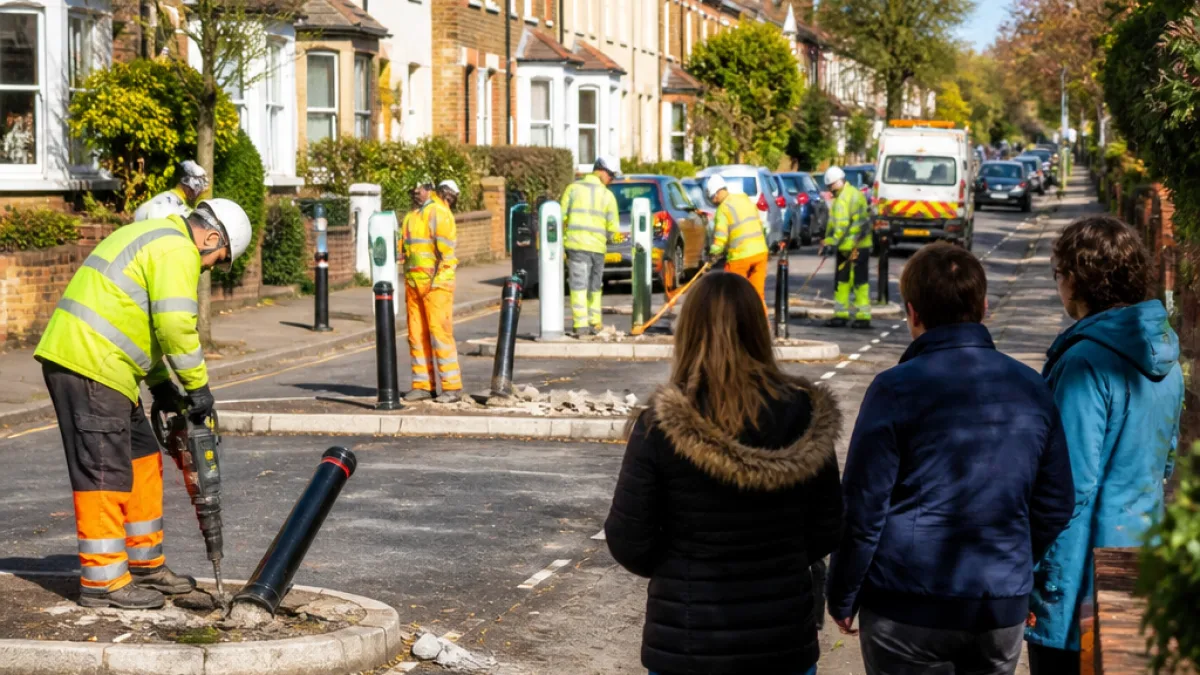
Southampton City Council has moved to reverse a controversial traffic‑calming scheme on Glen Eyre Road, announcing plans to remove the majority of raised platforms and bollards put in place less than three years ago. The project, which cost £850,000, prompted repeated demonstrations from local residents who said the measures increased congestion and created safety risks.
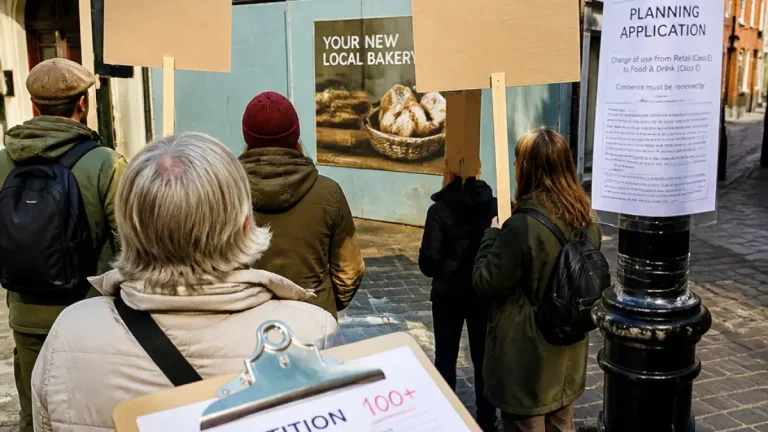
Decision follows sustained resident protest
The council said a public consultation will open on Friday on a traffic regulation order (TRO) that will propose the removal of most of the so‑called buildouts installed to narrow the carriageway and make drivers give way. The TRO will, however, retain three of the platforms that support electric vehicle charging bays.
Residents on the street, many of whom have campaigned against the changes for almost three years, welcomed the move. Lin Hurst, who has lived on Glen Eyre Road for 35 years, said:
"It has been a long time coming to get it sorted. What they did changed the road completely. It became gridlock with people beeping their horns. It will be brilliant when it is back to how it was before."
Long‑standing neighbours John and June Babbidge, who have lived on the road for more than 40 years, told reporters the changes were hazardous. "We have got to be so careful because you get buses and cars on the wrong side of the road," John said.
Political and civic reactions
The scheme has become a focus of political complaint as well as local anger. Amanda Guest, chairman of Bassett Conservatives and a participant in the resident campaign, described the project as a waste of taxpayers' money and urged the council to improve consultation in future. Richard Blackman, the Liberal Democrat councillor for Bassett ward, said he had not heard anyone who had "a good word to say" about the measures.
Jacqui Rayment, the Labour councillor responsible for transport at Southampton City Council, confirmed the TRO will include removal of the buildouts except those three linked to electric vehicle charge points and said the council will also consider relocation of e‑scooter infrastructure as part of the consultation process.
- Cost of original scheme: £850,000
- Time since installation: Less than three years
- Planned retention: Three platforms supporting electric vehicle charging bays
What this means for residents and commuters
Locally, the news is likely to be met with relief by opponents of the buildouts who blamed the measures for creating "gridlock" and unsafe passing. For drivers using Glen Eyre Road and the surrounding residential streets, removal could reduce congestion and tensions caused by narrow pinch points; however, the council's approach and the experience of this scheme will raise questions about how future traffic‑management interventions are planned and consulted upon.
Officials have not yet published a timetable for removal or a full map of which features will be taken out. The consultation will offer residents and stakeholders a formal route to comment on the TRO and proposed changes to micro‑infrastructure such as e‑scooter bays.
| Item | Detail |
|---|---|
| Scheme cost | £850,000 |
| Installed | Less than three years ago |
| Buildouts to remain | Three (supporting electric vehicle charging bays) |
Beyond Glen Eyre Road itself, the controversy underscores the tension that can arise between efforts to calm traffic and the lived reality of commuters and residents on narrow, busy routes. Councillors from different parties said the episode should prompt better engagement with constituents before schemes are finalised.
As the TRO consultation opens, attention will turn to the timeline for physical removal and to whether the council will publish an evaluation of the original measures, including any traffic modelling or safety assessments that informed the initial decision.
For many campaigners on Glen Eyre Road, the announcement looks like a hard‑won vindication of years of protests. The formal consultation marks the next stage in resolving a dispute that has divided neighbours and councillors and has cost the city a significant sum of public money.