
Ministers have signalled support for comprehensive statutory regulation of the funeral industry after the conviction of an undertaker whose business was found to be operating in a way that caused profound distress to bereaved families.
Case exposed systemic failings
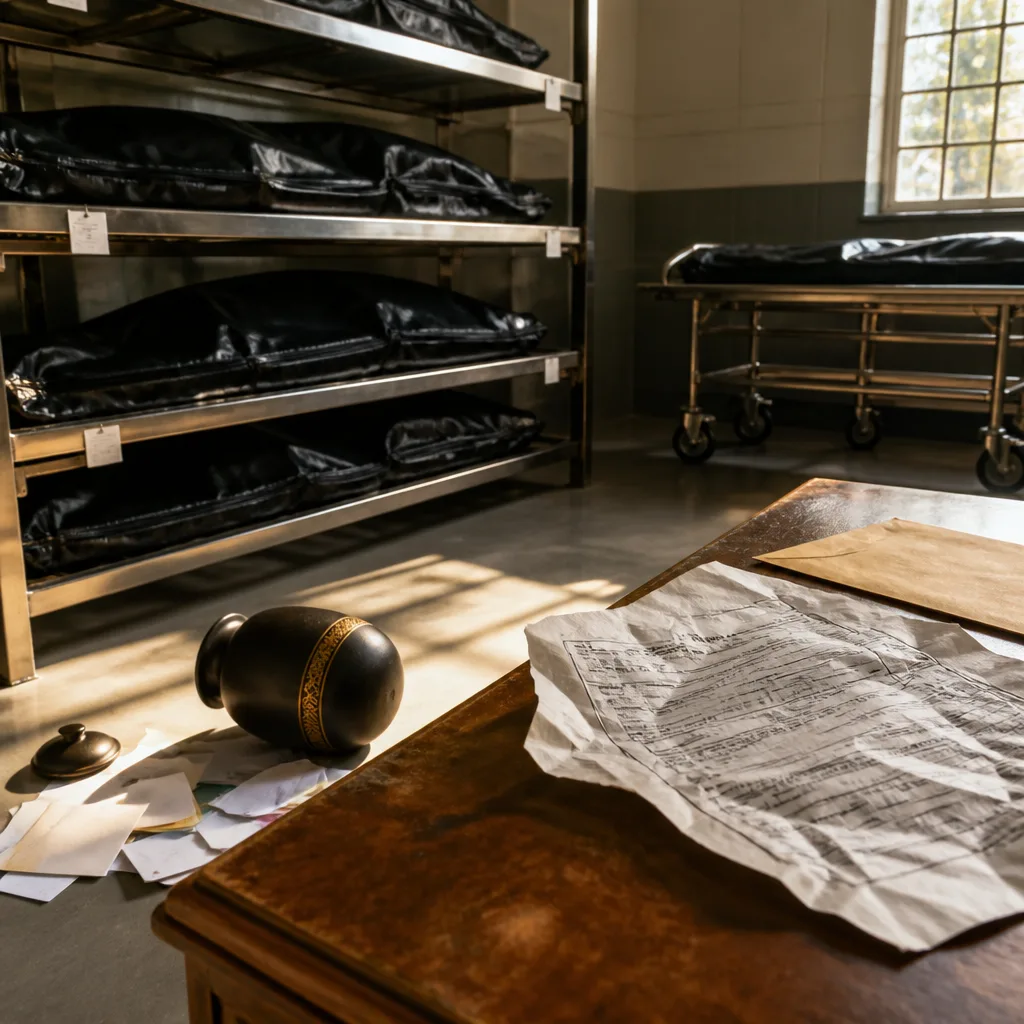
A judge last week handed Robert Bush a 20-year sentence after he was convicted of 67 offences, including around 30 counts of preventing lawful and decent burials. Searches of his firm, Legacy Independent Funeral Services, reportedly uncovered multiple bodies in a state of decomposition stored on racks.
Prosecutors said families had been given incorrect ashes, donations intended for charity were taken and that Bush had used company funds on personal holidays — an amount exceeding £42,000 over a period of 12 years. Relatives described the effect of the discoveries as devastating.
“Abused,”
Those words were used by one bereaved husband, David Gorbutt, to describe his experience after his wife’s ashes were not those of his partner.
Policy response and recommendations
The conviction has accelerated plans by ministers to introduce new legal measures for the funeral sector. Officials indicate forthcoming legislation will likely encompass a licensing regime, mandatory minimum standards and powers for inspections — steps recommended by previous inquiries and consumer-protection bodies.
In 2020 the Competition and Markets Authority set out proposals urging stronger oversight of undertakers. In addition, the independent inquiry into the actions of David Fuller — the mortuary worker convicted of abusing more than 100 cadavers — included recommendations advocating regulation of funeral services.
Ministers have said they accept those conclusions and will press ahead with reforms to close what has been described as an anomalous gap in UK law: an essential and sensitive service operating without a statutory regulatory framework.
Precedents and wider context
Scotland has already moved to regulate undertakers, introducing its own system last year. Parliamentary and public attention has been drawn to other troubling episodes in the sector: an investigation by the BBC prompted restrictions placed on a funeral director in Leeds who ran a baby-loss service known as Florrie’s Army; that director, Amie Upton, has not been criminally charged but was barred from NHS mortuaries and maternity wards.
Some MPs have urged stronger statutory protections for bereaved families and suggested a larger role for local government in oversight, aligning with the government’s broader devolution agenda. Labour MP Mark Sewards has argued that constituents’ experiences point to the urgent need for fresh legal safeguards.
- Conviction: 67 offences (including ~30 preventing burials)
- Sentence: 20 years
- Reported personal spending from business funds: > £42,000
Campaigners and bereaved families will be watching the detail of proposed legislation closely. Key issues to be resolved include the scope of any licensing body, how minimum standards will be enforced, and the role of inspections — whether these will be carried out by a new regulator, existing agencies or local authorities.
| Item | Detail |
|---|---|
| Number of offences | 67 |
| Preventing lawful burial counts | Approximately 30 |
| Sentence | 20 years |
| Reported misused funds | More than £42,000 |
The government’s proposed reforms aim to restore public confidence and provide clearer protections for families at a uniquely vulnerable time. How quickly legislation is introduced, and whether it will meet the expectations of bereaved relatives and consumer groups, will be central to the next phase of the debate.
As proposals are developed, there will be further scrutiny of past regulatory gaps and of how statutory safeguards can operate alongside local authority responsibilities and existing criminal law to prevent future abuses.