Local politician criticises cost and heritage impact of transport plans
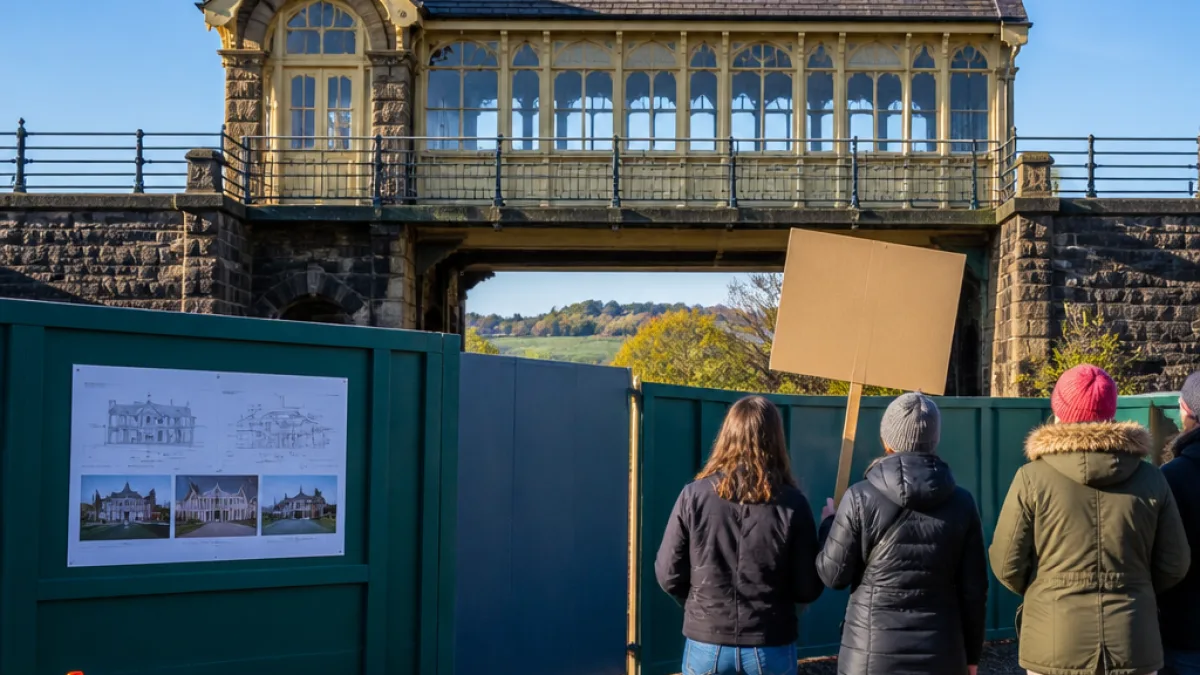
Plans for a new transport interchange in Caerphilly, put forward by Transport for Wales, have provoked a sharp response from the area’s Assembly Member. The scheme, estimated to cost £33 million, would include the replacement of the current station facilities and the demolition of a historic ticket office that sits on a bridge over the main Rhymney Valley rail line.
The MS, Lindsay Whittle, who represents Blaenau Gwent, Caerffili and Rhymni, described the proposals as “a waste of taxpayers' money” and questioned both the need for a new station and the loss of the existing ticket office. He said the town’s train services have significantly improved in recent years, and argued that a new station should not be a high priority when public services are under pressure.
“I’m a long-standing opponent to the destruction of the ticket office and to the building of a new train station which, frankly, the town doesn’t need,”
Mr Whittle added that the new scheme would not deliver clear benefits for residents or visitors, saying many people visit Caerphilly Castle regardless of changes to the station. He reiterated concerns about public spending and local safety related to demolishing a structure that occupies a bridge above the active rail line.
Heritage, safety and priorities
Local heritage is central to the debate. The ticket office identified for removal has been described in the proposals as historic; its position on a bridge above a busy railway corridor also raises engineering and safety questions. Those opposing demolition say removing the building risks both the town’s historic fabric and wellbeing during construction, while supporters of redevelopment argue modern facilities could improve interchange and accessibility.
Residents will weigh the trade-offs: the promise of upgraded transport connectivity and potentially improved accessibility for people with mobility needs versus the loss of a familiar historic structure and the large public expenditure required.
- Estimated scheme cost: £33 million
- Key local concern: demolition of the historic ticket office on a bridge above the Rhymney Valley rail line
- Political response: MS Lindsay Whittle publicly opposes the plans, citing cost, need and safety
What this means for Caerphilly residents
The dispute touches on several practical concerns for Caerphilly people. How the scheme is funded, and whether it displaces money that could otherwise support frontline services, lies at the heart of the criticism. With public services described as being cut “to the bone”, opponents argue the project could divert scarce resources away from more urgent local needs.
Transport improvements — if delivered — can bring benefits: better interchanges can reduce journey times, make switching modes simpler and support local economic activity. Opponents counter that the service on the line has already improved, reducing the urgency for an expensive new station that would require significant demolition work.
Next steps and local scrutiny
As the proposals progress, local councillors, conservation bodies and transport authorities will need to engage with community concerns. Planning processes, environmental assessments and safety reviews will form part of any decision-making pathway, and local voices are likely to press for clarity on funding sources and detailed cost-benefit analysis.
| Element | Detail |
|---|---|
| Projected cost | £33 million |
| Main local concern | Demolition of historic ticket office on bridge above Rhymney Valley rail line |
The discussion is shaping up as both a conservation and a fiscal question for Caerphilly. Residents and local representatives will be watching closely as Transport for Wales and elected officials set out more detail about the proposed interchange, how it would be paid for, and what safeguards would be in place to protect heritage and ensure safety during any construction work.
For a town proud of its Welsh heritage and historic landmarks, the contest between modernising infrastructure and preserving the past remains a sensitive issue — one that will require transparent reasoning and careful engagement with the community.