A man who has spent more than 14 years behind bars under the now-abolished Imprisonment for Public Protection (IPP) scheme is due to be returned to prison from a medium secure hospital, his family have said, in a case that has formed part of an international complaint about the sentence.
Thomas White, 43, was convicted of street robbery in 2012 for taking a mobile phone. Although a judge imposed a minimum term of two years, his family report he has been detained for “14 years and four months” — a reflection of the open-ended nature of IPP terms that left many prisoners without a fixed release date.
Family say hospital stay will end soon
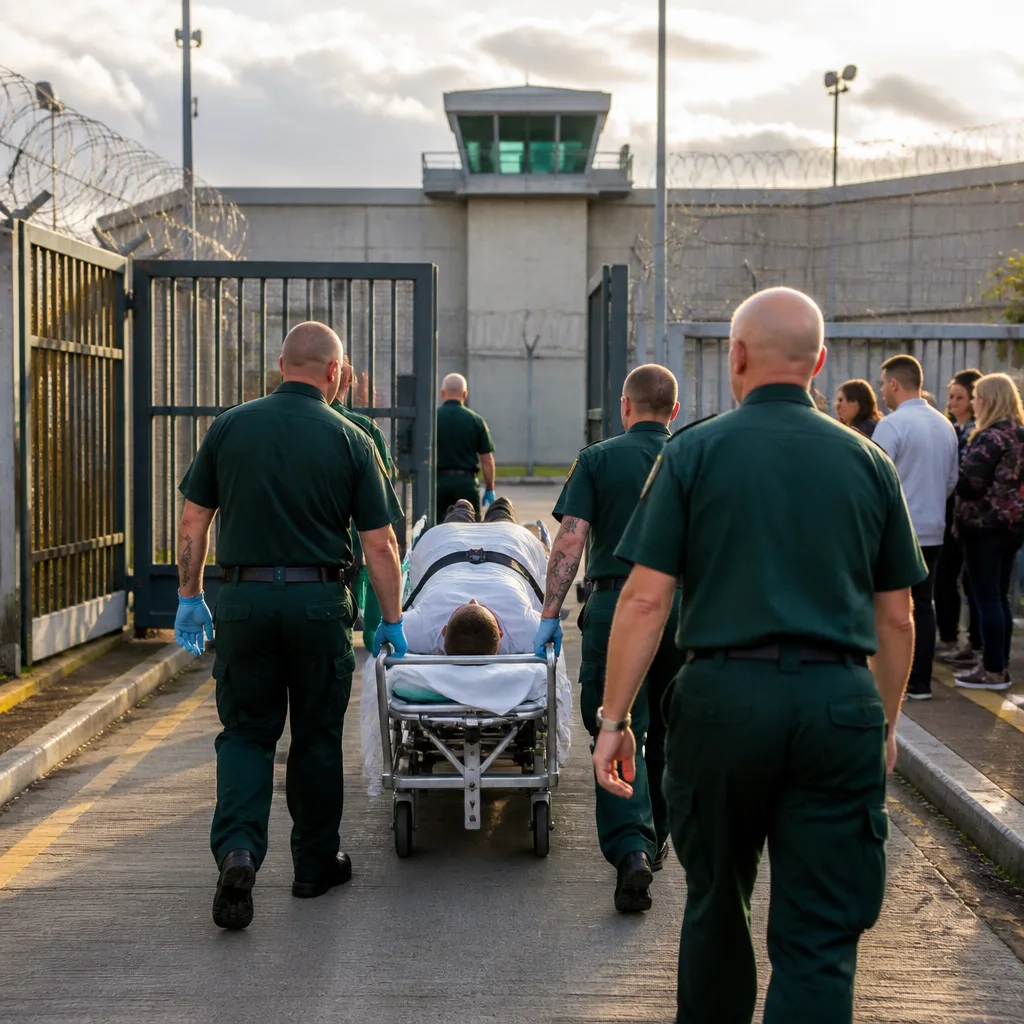
White’s relatives said he was moved to a medium secure hospital last October after a six-year campaign to secure treatment for his deteriorating mental health. They were told he would be returned to a Category B prison “any day” after spending around nine months in hospital, prompting fears his condition will rapidly worsen.
His sister, Pastor Clara White, said she feared another sharp decline in his wellbeing on return to custody. She told reporters:
“So his torture starts all over again.”
UN intervention highlights systemic problem
The case has been cited in a complaint to the United Nations. Three UN special rapporteurs last week delivered a strongly worded intervention, warning that the UK is committing “serious human rights violations” by failing to resentence prisoners still subject to IPP terms.
The rapporteurs said the IPP framework had created a cycle of repeated recalls and indefinite detention that has damaged mental health, increased self-harm and left many without hope. They noted that the penalties involve prolonged uncertainty and can lead to serious psychological deterioration.
Scope of the legacy problem
Although IPP sentences were abolished in 2012, they were not applied retrospectively. Campaigners and relatives say that has left thousands in limbo, detained beyond the original tariff set by courts.
| Statistic | Number |
|---|---|
| People still subject to IPP | ~2,400 |
| Serving IPP in secure hospitals | 207 |
| Deaths in custody (suicide) among this group | 96 |
Campaigners say many prisoners who are eventually released find themselves repeatedly recalled for minor breaches of strict licence conditions, perpetuating cycles of detention and supervision.
- IPP sentences removed from law in 2012 but not retrospectively applied.
- Families and rights bodies argue the scheme has caused long-term psychological harm.
- UN experts have urged the UK to review and resentence those still affected.
White’s case illustrates the human consequences of the policy: a man convicted of a relatively minor acquisitive offence more than a decade ago has spent the majority of his adult life under indefinite detention, his relatives say.
Justice campaigners and legal organisations have called for urgent action to resentence those still held on IPP terms, arguing that delays and a lack of clear pathways out of custody are contributing to suffering and to preventable deaths in custody.
The Ministry of Justice has been approached for comment. The unfolding situation in individual cases such as White’s will test how quickly policy and resourcing changes can be implemented to address what UN experts have described as systemic failings.
For families and inmates alike, the immediate concern is the welfare of those due to move back into the prison estate after receiving hospital care. The combination of long detention, mental health deterioration and an unclear release horizon remains a pressing issue for the justice system.