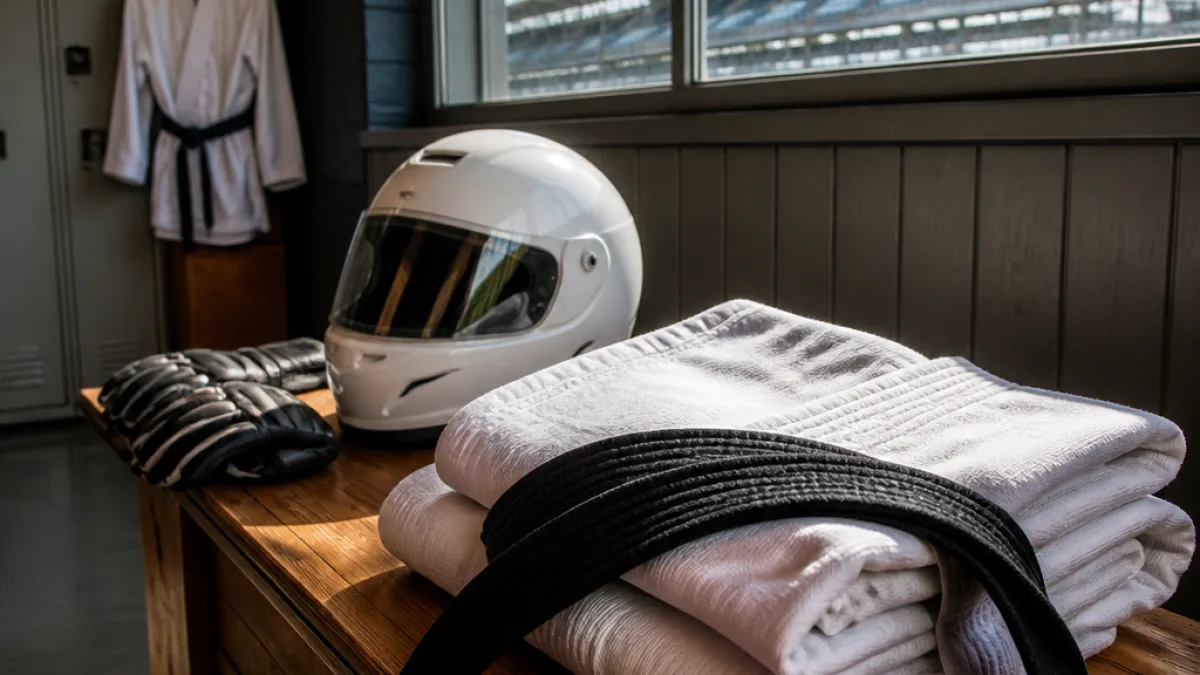
The seven-time world champion Lewis Hamilton has described how lessons learned in childhood karate helped him develop the discipline and resilience that underpin his success in Formula 1. Speaking to media at the Hungarian Grand Prix, Hamilton said martial arts provided a constructive channel for his energy and a way to stand up to bullies during his school years.
From the dojo to the grid
Hamilton, 41, who currently sits second in the drivers' championship and is reported to be 50 points adrift of the leader, reflected on how karate framed both his temperament and his approach to racing. He said the sport taught him confidence and how to marshal his power positively.
"Karate, it was a really important part of my life," he told reporters, explaining that he first took up lessons at the age of six after experiencing bullying. He added that the training helped him channel boundless energy and avoid negative paths. The driver has frequently discussed the bullying he endured while growing up and has credited early sporting influences for keeping him on track.
"I asked to go to karate when I was six because I was being bullied, and that lasted for a long, long time... Karate really gave me that confidence to be able to handle myself and handle those bullies."
Hamilton’s comments came amid a season that has seen a notable improvement since his move to Ferrari. Observers point to a rebound in form after difficult periods, and the driver himself has cited the importance of personal discipline in sustaining performance under pressure.
- Age: 41
- Championships: Seven-time world champion
- Current season position: Second, 50 points behind the leader
For readers in Hamilton and across Scotland, the account is a reminder of how grassroots sport and early coaching can influence life beyond the playing field. Karate, like many martial arts offered at local clubs, emphasises self-control, respect and perseverance—qualities that Hamilton says translated to the racetrack.
Local implications and youth sport
Hamilton’s reflections could carry resonance for parents, coaches and sport organisers in the city. Programmes that provide structured activity for children can play an important role in steering energetic youngsters towards positive routines. The driver’s public recognition of bullying and his route to coping also contributes to a wider conversation on safeguarding and support in youth sport.
While Hamilton’s fame stems from his achievements on the circuit, his account underlines a broader point: elite athletes often credit formative experiences away from the professional spotlight for shaping their attitudes. For those running clubs in Hamilton, such examples can be useful when encouraging participation and funding for after‑school activities.
At a time when many councils and voluntary groups are seeking to promote active lifestyles for children, anecdotes from high-profile sportspeople can help attract attention to the practical benefits that structured sports provide. Hamilton’s remarks are unlikely to translate directly into policy, but they offer a familiar narrative for local stakeholders advocating for sustained investment in community sport.
Hamilton remains one of the most successful figures in modern motorsport, and his comments about karate add to a catalogue of personal stories he has shared over the years about resilience, identity and the pressures of competition. For a city that shares his surname, the connection is more than nominal; it prompts reflection on the role of sport in forming character from an early age.
| Fact | Detail |
|---|---|
| Age | 41 |
| World titles | 7 |
| Championship standing (current season) | 2nd, 50 points behind the leader |
Hamilton’s career and his comments about karate will be watched closely by fans and community groups alike as the season unfolds, reminding those in the city that personal development often starts in modest local settings — a dojo, a community hall — rather than in the spotlight.