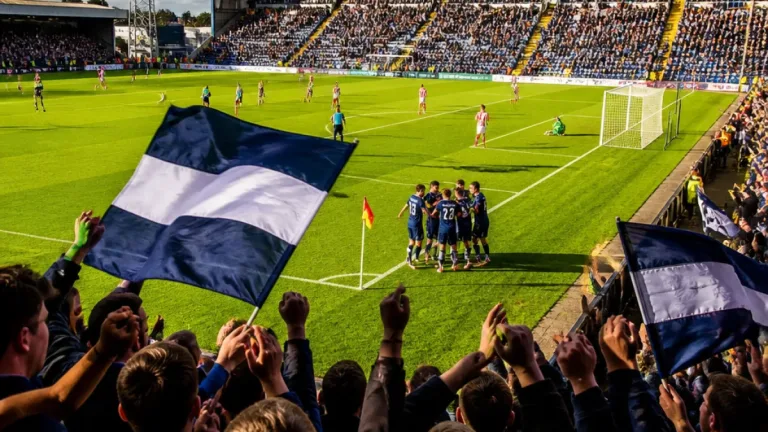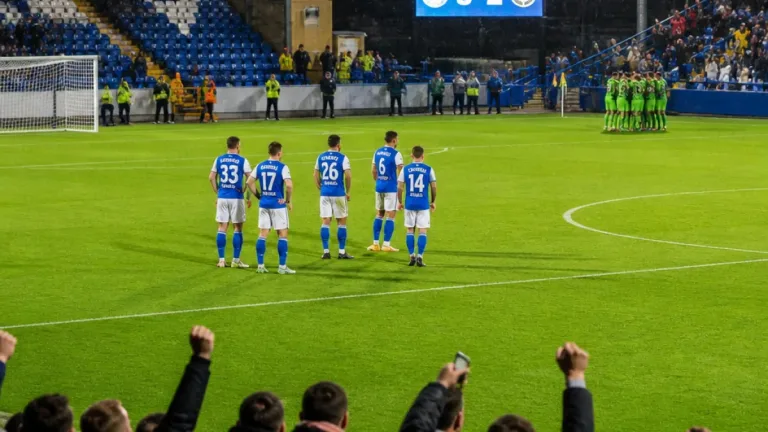

Coleraine manager Ruaidhri Higgins has voiced concern about the Irish League’s recurrent early exits from European competition following his side’s defeat by HJK Helsinki in the UEFA Conference League.
Manager warns of reputational damage
Speaking after the midweek tie in which Coleraine were beaten by HJK Helsinki, Higgins said the pattern of early eliminations does little for the standing of Northern Irish club football on the continental stage. The manager was forthright in his assessment of the situation and used the defeat to underline an argument he has made previously: that a change to a summer football calendar could help domestic clubs be more competitive in Europe.
“It’s not a good look”
The blunt appraisal reflects wider frustration among managers and supporters across the Irish League who want better preparation and scheduling for clubs entering European competition. Higgins’ comments follow Coleraine’s most recent elimination and form part of an ongoing debate about how best to align domestic football with continental calendars and demands.
Calls for change and local implications
Higgins reiterated his campaign for a summer season, arguing that a calendar aligned more closely with most European leagues would reduce the competitive disadvantage faced by Irish League clubs when they meet teams who are mid-season and in full match rhythm. While the tactical and personnel reasons behind any single European defeat are always complex, Higgins framed the issue as structural: the timing of the domestic season affects preparation, fitness and the ability to sustain performance across two fronts.
For Coleraine supporters, the immediate consequence is the end of the club’s European campaign for this season and the financial and sporting opportunities that come with progression. At a broader level, continued early exits risk reinforcing perceptions that Northern Irish clubs are unable to challenge consistently on the continental stage.
- Fixture: UEFA Conference League tie vs HJK Helsinki
- Outcome: Coleraine eliminated following defeat
- Manager's stance: Renewed call for summer football to boost competitiveness
Wider context
Coleraine’s situation is not isolated. Clubs across the Irish League have endured similar European nights for a number of seasons, prompting debate among officials, managers and supporters about the best route to improvement. Advocates of a summer schedule argue it would allow Irish League teams to be in competitive form when entering early qualifying rounds, potentially improving results and the league’s coefficient; opponents point to logistical and cultural challenges of such a switch.
Whatever the pathway chosen, Higgins’ public critique is likely to add weight to those pressing for structural reform. For the town of Coleraine and its football community, the discussion is more than theoretical: better European results bring vital revenue, raise the club profile and give local players exposure on a larger stage.
| Aspect | Immediate effect for Coleraine |
|---|---|
| European campaign | Ended by defeat to HJK Helsinki |
| Manager comments | Public criticism of domestic scheduling and calls for summer football |
As the debate continues, Coleraine will return focus to domestic competition and planning for the season ahead. Higgins’ intervention ensures the club’s European exit will be discussed not only as a single result but as part of a wider conversation about how Northern Irish football can be organised to give its clubs the best possible chance when they step onto the continental stage.
Coverage of the aftermath of the tie and the implications for the Irish League’s calendar and competitiveness will remain of keen interest to supporters locally and to stakeholders across Northern Ireland football.